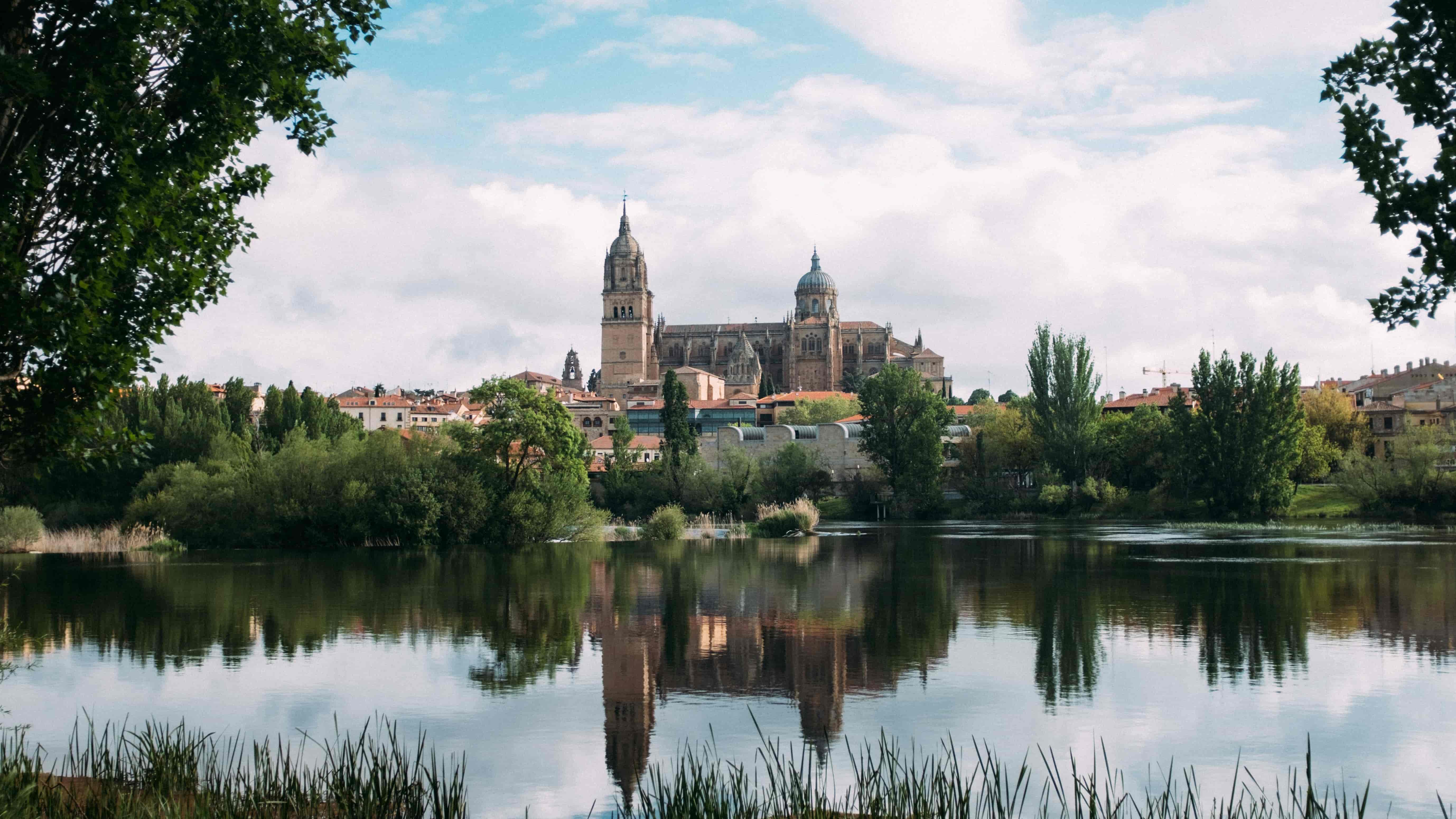
Is Salamanca the right city for you?
Salamanca is the most focused of all Spanish language learning destinations. Home to one of Europe's oldest universities, it's a small, walkable, entirely Spanish-speaking city where the language spoken is considered the clearest Castilian in Spain. There are no major competing languages, very few tourists outside the centre, and a genuine university atmosphere that makes studying feel natural. The city is beautiful — all golden sandstone and medieval squares — and remarkably affordable. The significant downside is the climate: Salamanca winters are genuinely cold, with frost possible from November through March.
Honest take: Check the city comparison page for a full side-by-side breakdown of how Salamanca compares to other Spanish cities for cost, immersion, school choice and lifestyle.
Cost of living
| Rent — shared flat, central | €350–500/mo |
| Rent — shared flat, outer area | €280–400/mo |
| Groceries (cooking at home) | €140–200/mo |
| Eating out — menú del día | €9–13/meal |
| Coffee | €1.20–1.80 |
| Health insurance (visa compliant) | €40–55/mo |
Realistic total budget
excl. course fees
€850–1,100/mo
Admin when you arrive
1
Empadronamiento
Register your address at the local town hall (ayuntamiento) within 30 days. Bring your passport, visa, and rental contract.
2
TIE card
Book your appointment at the Oficina de Extranjeria before you arrive. Book via sede.administracionespublicas.gob.es before leaving home. Costs 16.32 euros.
3
NIE number
You need this to open a bank account and sign contracts. Usually obtained at the same appointment as your TIE.
4
Bank account
Bring your NIE, passport, and empadronamiento. Wise or Revolut work well as international options while you wait for your NIE.
Practical tips
Book your TIE appointment before you leave home — availability in Spanish cities is limited and slots disappear quickly.
The menú del día (fixed-price lunch, three courses) is how locals eat on weekdays. It's usually €9–13 and significantly cheaper than ordering à la carte.
Bring at least two months' rent as savings. Spanish landlords typically ask for one to two months' deposit plus first month's rent upfront.
Your language school can help with local admin guidance — ask them about the process before you arrive. Schools with visa experience will have dealt with this many times.