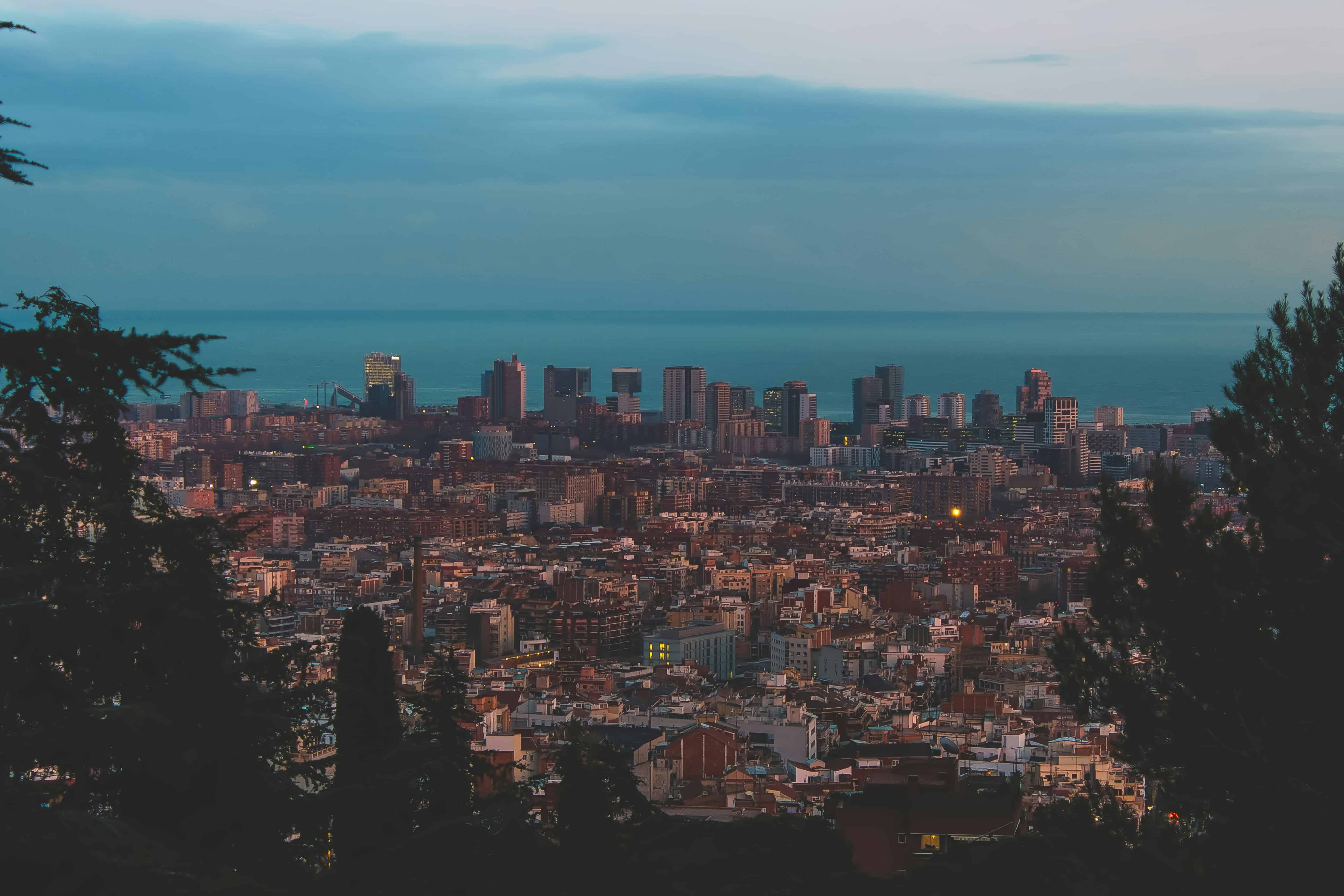
Is Barcelona the right city for you?
Barcelona is the most internationally famous city in Spain and consistently ranks as one of the best cities in Europe to live in. It has a beach, a world-class food scene, extraordinary architecture, a thriving arts and tech scene, and genuinely excellent weather year-round. For quality of life, it's very hard to beat.
For Spanish language students specifically, though, it deserves a more honest look. Barcelona is the capital of Catalonia, a region with its own language — Catalan — which is co-official with Spanish. In everyday life, you'll encounter Catalan on street signs, in supermarkets, and from locals who default to it with each other. You'll have no trouble practising Spanish here, but the immersion is less total than in a monolingual Spanish city like Seville or Granada.
⚠️
The Catalan language reality: Barcelona locals almost always switch to Spanish when they hear you're not a native Catalan speaker — you won't be stuck. But if maximum Spanish immersion is your primary goal, cities like Granada, Seville, or Salamanca will serve you better. Barcelona rewards students who want Spain's best city experience alongside their studies.
💡
The honest take: Barcelona is the right choice if lifestyle matters as much as language learning — if you want the beach, the food, the architecture, the international crowd, and the energy of a truly global city. It's the most expensive city on this list, but most students who choose it don't regret it.
Where to live — Barcelona neighbourhoods
Gràcia
Most popular for students The neighbourhood most language students end up in. Village-like feel within the city, packed with cafés and independent bars, young international crowd, excellent metro links. Not cheap but not the most expensive either.
Shared room: €750–950/mo
El Raval / El Born
Central, lively The most central neighbourhoods, walking distance from Las Ramblas and the Gothic Quarter. Very vibrant, culturally mixed, excellent restaurants. El Born is slightly more upscale; El Raval is grittier and cheaper.
Shared room: €700–950/mo
Poble Sec / Sant Antoni
Best value central Popular with young professionals and students priced out of Gràcia. Excellent bar and restaurant scene around Carrer del Parlament. Close to Montjuïc park. Good value for being genuinely central.
Shared room: €680–850/mo
Eixample
Upscale, central Barcelona's wide-avenue grid neighbourhood — elegant, expensive, and very central. Home to many of the city's language schools. The LGBTQ+ scene (Gayxample) is here. Quieter than Gràcia but excellent metro access.
Shared room: €850–1,100/mo
Barceloneta / Vila Olímpica
Beach area Right on the beach. Very popular in summer, quieter in winter, heavily touristic. Great if beach access is a priority. Limited metro connectivity compared to other central neighbourhoods. Premium rent for the sea views.
Shared room: €800–1,100/mo
Sants / Hostafrancs
Budget, well connected Residential working-class neighbourhood near Barcelona Sants train station. Very affordable, authentic local feel, excellent metro and train links to the rest of the city. Popular with students who want to save on rent.
Shared room: €600–780/mo
Cost of living
Barcelona is the most expensive city on this list — rent in particular is significantly higher than Madrid, and dramatically higher than Granada or Seville. The tourist economy pushes prices up across the board. That said, the menú del día culture keeps lunch affordable, and the metro is efficient and reasonably priced.
| Rent — shared flat, central (Gràcia/Eixample) | €800–1,050/mo |
| Rent — shared flat, outer/Sants | €600–780/mo |
| Monthly metro pass (T-Casual 10 trips) | ~€11.35/10 trips |
| Monthly transport pass (T-Usual unlimited) | ~€40/mo |
| Groceries (cooking at home) | €180–250/mo |
| Eating out — menú del día | €11–15/meal |
| Coffee | €1.50–2.20 |
| Beer in a bar | €3–5 |
| Health insurance (visa compliant) | €40–55/mo |
Realistic total budget
excl. course fees, central area
€1,400–1,800/mo
Practical tips for Barcelona students
Start your TIE appointment hunt the day you arrive. Barcelona's Oficina d'Estrangers is heavily oversubscribed — appointment slots disappear within minutes of going live. Check the booking portal early in the morning and be ready to move fast.
Housing is extremely competitive. Many landlords advertise on Idealista and Habitaclia — arrive with proof of income (bank statements or a sponsorship letter) and be ready to decide quickly. Avoid Airbnb-style short lets which are technically illegal for long stays and can leave you in a difficult position.
The T-Usual monthly transit pass is the best value for daily travel — unlimited metro, bus, tram, and local trains for around €40/month. The airport bus (Aerobús) is quicker and cheaper than the train from El Prat.
Lunch is the main meal and the best value. The menú del día (€11–15) gets you three courses with wine. Many restaurants in tourist zones are mediocre and overpriced — venture one street back from La Rambla and prices drop significantly.
The beach is genuinely free and useable from April to October. Barceloneta is the most central beach but gets very crowded in summer — locals tend to head to Bogatell or Mar Bella, which are quieter and a 15-minute bike ride away.
Learn a handful of Catalan phrases. Even "bon dia" (good morning) and "gràcies" (thank you) are genuinely appreciated by locals and go a long way towards being treated like a resident rather than a tourist.